讲座题目:The Risk of Success: Cultural Insurance and the Economics of Protective Rituals
讲座时间:2026年10月29日14:00
讲座地点:中央财经大学沙河校区13号楼209
主讲人:Dr. Jordan Al-Zu’Bi,RKA Worldwide Group, LLC, Washington, D.C., United States
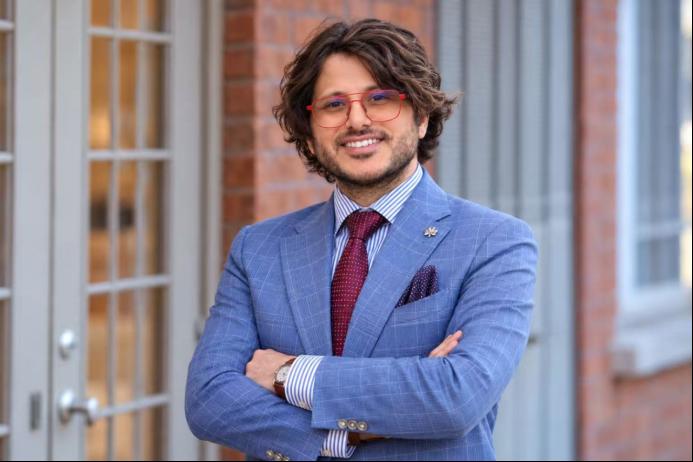
主讲人简介:Jordan Al-Zu’Bi 博士是一位具有丰富国际经验的保险经济学家、风险管理学者和保险监管专家。现任 RKA Worldwide首席经济学家兼保险与精算业务负责人,同时担任中国山东财经大学访问学者。
此前,他曾任美国科罗拉多大学丹佛分校风险管理与保险学助理教授,并曾在全美保险监督官协会(National Association of Insurance Commissioners,NAIC)从事保险经济学与保险监管相关工作。
他的学术与职业经历遍及美国、澳大利亚、中国台湾、中国大陆及中东地区。其研究与政策工作主要聚焦于保险经济学、行为决策、信息不对称、文化因素对风险感知的影响、新兴风险以及监管制度等领域。
他注重将学术研究与国际政策实践及行业经验相结合,致力于探讨个人、市场和政府如何应对不确定性。
讲座摘要:Why do individuals seek protection after experiencing success? Across cultures, favorable outcomes are often accompanied by protective expressions, rituals, and symbolic actions. People say “MashaAllah,” knock on wood, wear protective amulets, select auspicious numbers, or perform culturally recognized rituals following achievements, prosperity, and other desirable outcomes.
This seminar examines the economic puzzle underlying these practices: why might success, ordinarily associated with increased welfare and financial security, also generate demand for protection?
Drawing on risk and insurance economics, behavioral economics, and cultural economics, the research develops the concept of success-induced vulnerability, whereby favorable outcomes may increase perceived uncertainty, social visibility, status comparison, or exposure to culturally understood threats. It explores whether costly protective rituals can be interpreted as a form of cultural insurance, while distinguishing such practices from formal insurance contracts and conventional loss-prevention investments.
The seminar will critically examine the theoretical foundations of this argument, particularly the roles of beliefs, information, incentives, and social interaction in shaping protective choices. It will consider how motivated reasoning and culturally transmitted beliefs might help explain the persistence of protective practices, including situations in which their objective effectiveness is uncertain.
The broader objective is to develop an economic framework capable of generating testable predictions about how success, visibility, culture, and institutional environments influence demand for protection. The seminar will also discuss the limitations of the current theoretical formulation and directions for further model development and empirical investigation.
欢迎广大师生积极参加!
(撰稿:马冰;审稿:周桦;编辑:王维;审核:周桦)





 友情链接:
